

Qilinmao Electric Valve: Designed for High-Sediment Irrigation
Browse: 220
Introduction
Smart irrigation is transforming modern agriculture through IoT, cloud computing, AI, and data-driven decision-making. Across northern China, large investments have been made in digital irrigation infrastructure, including soil moisture monitoring, remote control systems, and intelligent irrigation platforms.
However, many projects encounter the same practical challenge: while software platforms perform as intended, field execution often depends on the reliability of the irrigation valve. When a valve fails to operate, even the most advanced control system cannot deliver precise irrigation.
In high-sediment irrigation regions such as the Yellow River Basin, Xinjiang, and many groundwater-fed farming areas, valve reliability has become one of the key factors determining the success of smart irrigation systems.
1. Harsh Operating Conditions Expose the Limitations of Conventional Valves
Northern China's irrigation systems operate under demanding conditions that include:
• High sediment and sand content in irrigation water
• Low operating pressure in long pipeline networks
• Unstable rural power supplies
• Frequent exposure to fertilizers and corrosive environments
Under these conditions, conventional pilot-operated solenoid valves often experience clogged pilot passages, seal wear, leakage, and unreliable opening or closing. Their dependence on minimum water pressure and stable voltage further limits performance in remote agricultural areas.
As a result, many irrigation systems struggle to maintain consistent automated operation.
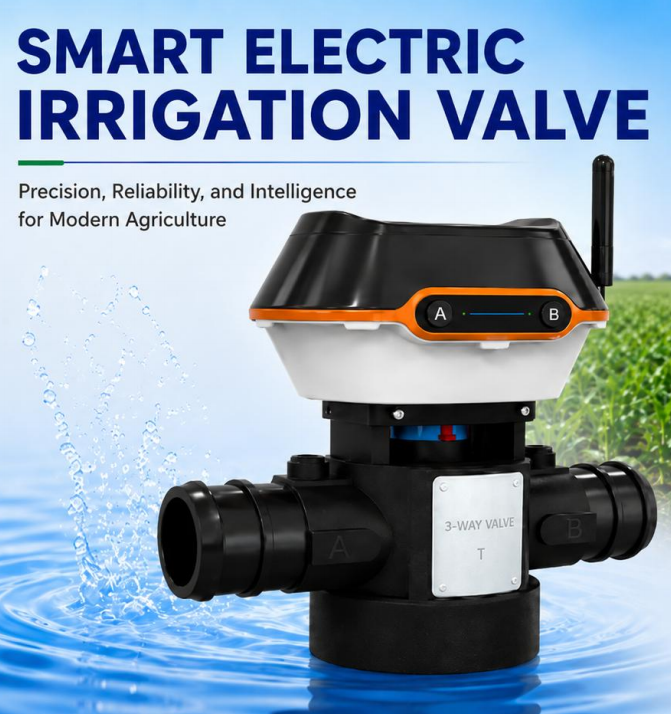
2. Reliable Hardware Is Essential for Smart Irrigation
Motorized electric valves eliminate many of the pressure-related limitations of solenoid valves by using direct electric actuation. However, not all electric valves are designed for high-sediment agricultural environments.
Common field issues include:
• Sediment accumulation inside the valve body
• Premature seal wear and leakage
• Gear and motor damage caused by valve blockage
• Failure under voltage fluctuations
• High maintenance and replacement costs
These challenges demonstrate that successful digital irrigation depends not only on intelligent software but also on durable, field-proven hardware
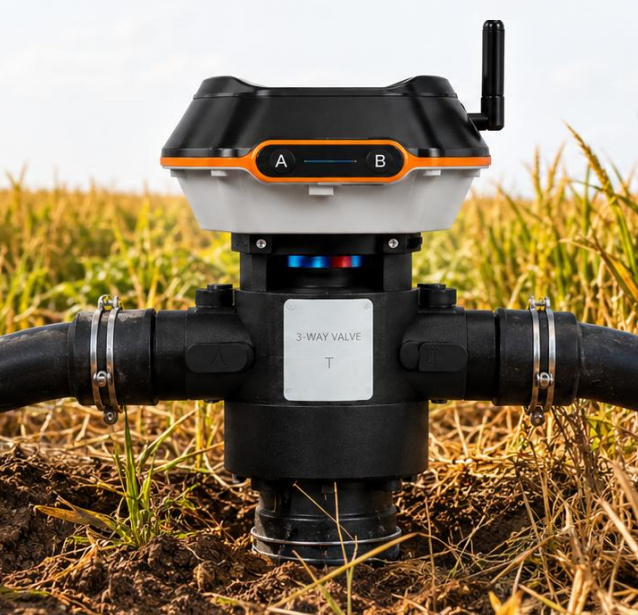
3. Qilinmao Electric Valve: Designed for High-Sediment Irrigation
To address these challenges, the Shanghai Huawei Controlled Agriculture Technology Group Research Institute developed the Qilinmao electric valve after two years of product development and field validation in northern China's irrigation districts.
The product is available in two configurations:
QLM-B Standard Version
• Optimized wide-flow internal design to reduce sediment blockage
• Wear-resistant valve core
• Wide-voltage motor for stable operation under fluctuating power conditions
• Suitable for most drip and sprinkler irrigation systems
QLM-Z Premium Version
• Industrial-grade ceramic sealing valve core for exceptional wear resistance
• Excellent sealing performance under abrasive and fertilizer-rich conditions
• Integrated motor overload protection
• Designed for high-frequency automated irrigation in demanding environments
According to the manufacturer, the valve has undergone extensive laboratory durability testing and field validation across multiple irrigation districts in Inner Mongolia, Shaanxi, Hebei, and Xinjiang.
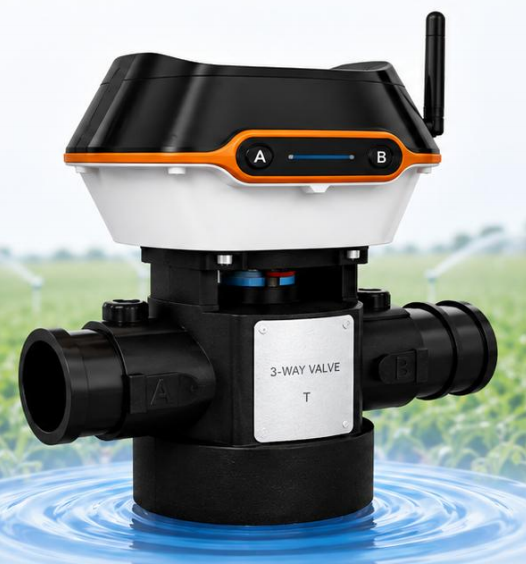
4. Small Component, Critical Role
While AI and digital platforms optimize irrigation decisions, the valve is responsible for executing those decisions in the field.
A reliable valve helps ensure:
• Accurate remote irrigation control
• Reduced system downtime
• Lower maintenance requirements
• Greater long-term operational reliability
• Improved return on investment for smart irrigation projects
For irrigation systems operating under harsh field conditions, valve performance is not simply a component specification—it is a key factor in overall system reliability.
Conclusion
The future of smart irrigation depends on the integration of intelligent software with dependable field hardware.
As irrigation projects expand across regions with high sediment, low pressure, and challenging operating conditions,selecting valves specifically engineered for these environments becomes increasingly important.
With continued advances in ceramic sealing technology, engineering materials, and intelligent motor control, high-performance irrigation valves will play a vital role in improving water-use efficiency, supporting sustainable agriculture, and enabling the next generation of smart irrigation systems.